November 3, 2026
Owning a swimming pool provides a convenient way to relax, exercise, and enjoy time outdoors, but keeping it in good condition requires consistent attention. Without proper maintenance, pools can develop cloudy water, algae growth, chemical imbalances, and equipment problems that interfere with swimming. Professional pool cleaning helps homeowners address these concerns before they become more serious. Understanding common pool problems and how experienced cleaners prevent them can help protect the pool and maintain comfortable swimming conditions throughout the season.
Preventing Cloudy and Discolored Pool Water
Cloudy water is among the most common problems pool owners encounter. Instead of appearing clear and inviting, the water may develop a milky, hazy, or dull appearance. This change can result from poor filtration, insufficient sanitizer levels, improper water chemistry, or an accumulation of fine particles.
Swimming in cloudy water is not recommended when visibility is poor or water chemistry is outside acceptable ranges. Reduced visibility can make it difficult to see swimmers beneath the surface, while inadequate sanitation may allow harmful microorganisms to remain in the water.
Professional cleaners help prevent cloudy water through several maintenance practices:
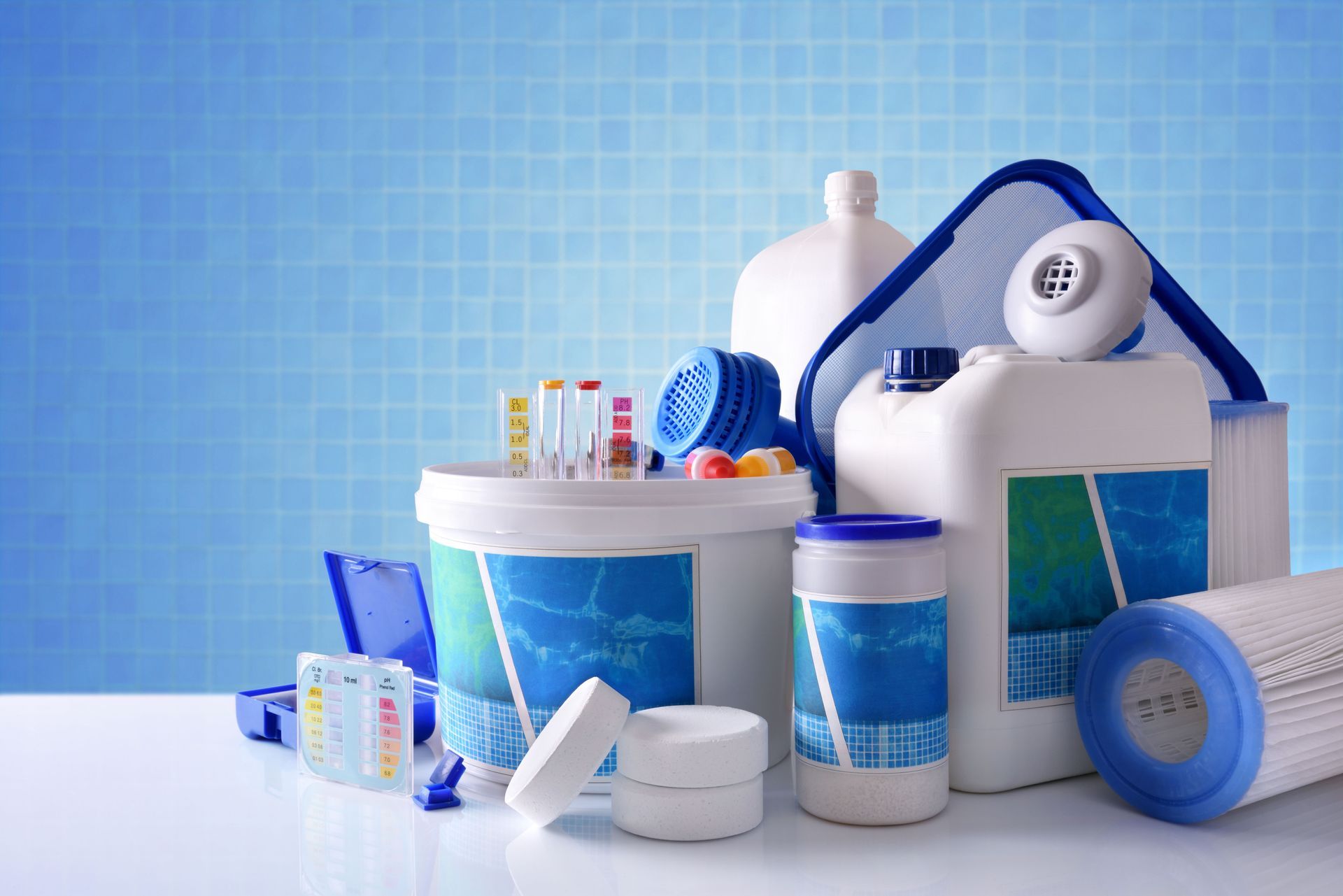
- Water testing: Checking chemical levels helps identify imbalances before they affect water clarity.
- Filter maintenance: Cleaning filters helps remove suspended particles and supports proper circulation.
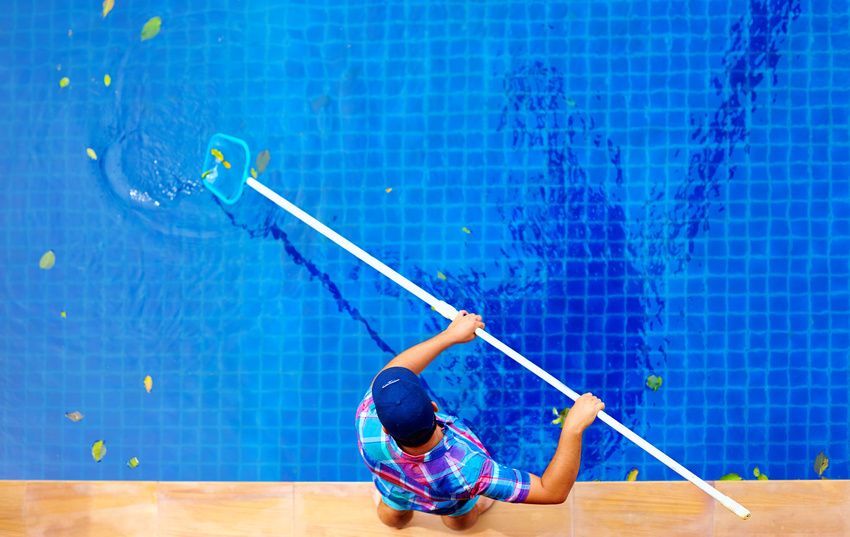
- Debris removal: Skimming and vacuuming prevent organic materials from breaking down in the water.
- Chemical balancing: Maintaining appropriate sanitizer and pH levels supports clear, properly treated water.
Consistent attention to these tasks reduces the likelihood of persistent cloudiness. It also helps pool owners recognize when circulation or filtration equipment requires additional attention.
Preventing Chemical Imbalances and Water Irritation
Maintaining balanced water chemistry is essential for swimmer comfort, effective sanitation, and equipment protection. When chemical levels move outside recommended ranges, several problems can develop.
Low sanitizer levels may allow bacteria and algae to multiply. Excessive sanitizer concentrations can cause irritation, while incorrect pH levels may affect swimmer comfort and reduce chlorine effectiveness.
Improperly balanced water can also damage pool components. Water that is too acidic may contribute to corrosion, while elevated calcium hardness and unsuitable water balance can encourage scale formation.
Experienced cleaners help control these issues by regularly monitoring important water conditions, including:
- Sanitizer levels: Adequate chlorine or another approved sanitizer helps control harmful microorganisms.
- pH levels: Proper pH supports sanitizer performance and swimmer comfort.
- Total alkalinity: Balanced alkalinity helps stabilize pH and prevent sudden fluctuations.
- Calcium hardness: Appropriate calcium levels help protect surfaces and equipment from scaling or deterioration.
Professional maintenance also accounts for changing environmental conditions. Heavy rainfall, increased swimming activity, and other factors can influence chemical concentrations.
Rather than relying on visual appearance alone, technicians use water testing to guide necessary adjustments.
Preventing Clogged Filters and Poor Circulation
Pool filtration systems continuously remove particles and contaminants from circulating water. However, filters can gradually become clogged with dirt, oils, leaves, and other debris.
As buildup increases, water movement through the filtration system may become restricted. Reduced circulation can leave certain areas inadequately filtered and contribute to cloudy water or algae development.
Poor circulation may also place unnecessary strain on pumps and other components.
Professional cleaners help prevent these problems by checking filtration equipment and performing appropriate maintenance. Depending on the system, this may involve cleaning cartridge filters, monitoring pressure readings, or backwashing compatible filters according to manufacturer recommendations.
Routine equipment checks can also identify warning signs such as unusual sounds, reduced water flow, or visible leaks.
Recognizing these symptoms early allows homeowners to arrange repairs before minor performance issues develop into more significant equipment failures. A properly maintained filtration system supports water clarity, efficient circulation, and dependable operation.
Preventing Stains and Surface Buildup
Pool surfaces regularly encounter minerals, organic materials, and other substances that can leave visible marks. Over time, these deposits may create discoloration along walls, steps, floors, and waterlines.
Common causes of pool staining include fallen leaves, metal contaminants, and mineral accumulation. Calcium deposits may also develop around tile edges or other areas where water evaporates.
Although some stains are primarily cosmetic, persistent buildup can become increasingly difficult to remove. Rough deposits may also affect the appearance and texture of pool surfaces.
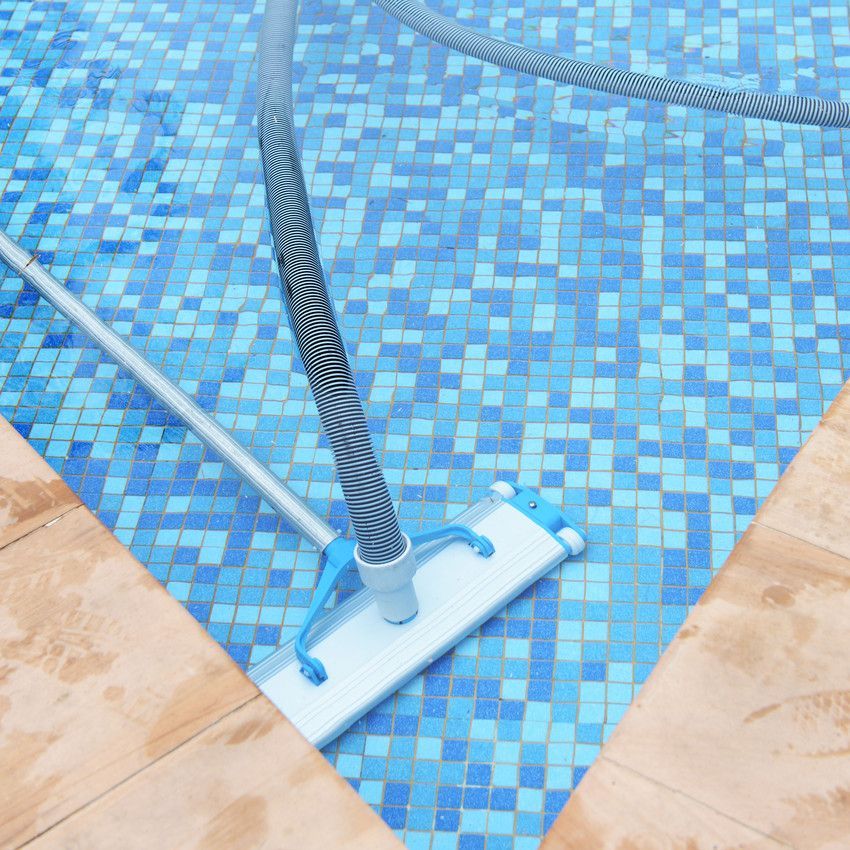
Regular brushing and vacuuming help prevent contaminants from settling and remaining in contact with pool finishes.
Early identification is important because different stains require different treatment approaches. Before attempting aggressive cleaning, the cause of discoloration should be identified to avoid damaging the pool finish.
Maintaining clean surfaces preserves the pool's appearance and reduces the amount of intensive cleaning needed later.
Preventing Debris Accumulation and Contaminated Water
Outdoor swimming pools are exposed to leaves, insects, pollen, grass clippings, and windblown dirt. Even pools surrounded by carefully maintained landscaping can collect substantial amounts of debris.
When organic material remains in the water, it begins to decompose. This process increases the demand for sanitizer and may contribute to staining, unpleasant odors, or reduced water clarity.
Debris can also accumulate in skimmer baskets, potentially restricting water movement and affecting filtration performance.
Removing floating material before it sinks reduces the amount of debris collecting on the pool floor. Vacuuming captures particles that ordinary surface skimming cannot reach.
Homeowners can support these efforts by keeping surrounding landscaping maintained and removing loose debris from nearby areas.
Combining routine professional service with basic preventive habits helps limit contamination and keeps water circulation systems functioning more effectively.
Preventing Equipment Wear and Unexpected Breakdowns
Swimming pool equipment operates under demanding conditions, particularly during periods of frequent use. Pumps, filters, plumbing connections, and other components must work together to maintain circulation and water quality.
Without regular attention, small mechanical problems can go unnoticed until equipment performance declines.
For example, a clogged filter may restrict flow, while deteriorating seals or plumbing connections may allow water to leak. Unusual pump noises can indicate operational concerns requiring further evaluation.
Professional pool cleaning includes equipment checks that help identify visible signs of wear or reduced performance.
During maintenance visits, technicians can observe circulation patterns, inspect accessible components, and identify conditions that warrant additional service.
Minor equipment repairs may address certain problems, while more complicated mechanical or electrical issues require qualified repair professionals.
Preventive attention cannot eliminate every equipment failure, but it can reduce unnecessary strain and help homeowners respond before a malfunction interrupts normal pool use.
Preventing Seasonal Maintenance Problems
Seasonal changes introduce additional challenges for pool owners. Spring openings, summer swimming activity, and fall closures each require different maintenance priorities.
At the beginning of the swimming season, accumulated debris, unbalanced water chemistry, and equipment that has remained inactive may require attention.
During summer, increased swimmer activity, warm temperatures, and changing weather conditions can increase maintenance demands.
In colder regions, improper winter preparation can expose plumbing and equipment to freezing temperatures.
Professional pool cleaning helps homeowners manage these transitions through scheduled care and appropriate seasonal services.
Proper seasonal preparation helps protect equipment, limit debris accumulation, and reduce complications when the next swimming season begins.
Maintaining a Cleaner and More Reliable Swimming Pool
Most pool problems develop gradually rather than appearing without warning. Cloudy water, algae growth, chemical imbalances, surface stains, and declining equipment performance often begin with maintenance conditions that can be identified early.
Consistent pool cleaning helps manage these risks through water testing, chemical balancing, filtration maintenance, debris removal, and equipment checks. Professional attention also allows homeowners to address changing conditions before they interfere with everyday swimming.
A dependable maintenance routine helps preserve water quality, protect pool components, and reduce the likelihood of avoidable interruptions. For professional pool maintenance and reliable service throughout Bucks and Montgomery Counties, PA, contact Big Splash Pool Service today to schedule an appointment and keep your swimming pool clean, comfortable, and ready to enjoy.