September 14, 2026
A residential swimming pool can be a valuable part of a home's outdoor environment, providing a place for recreation, relaxation, and time with family and friends. Keeping that space clean, balanced, and functional requires consistent attention throughout the swimming season. Regular pool maintenance addresses water quality, equipment performance, cleanliness, and safety concerns before they become larger problems. For homeowners, professional service can provide a structured approach to caring for the pool while helping preserve its condition.
Pool care involves more than removing visible debris from the water. Filtration systems, circulation equipment, chemical levels, surfaces, drains, and other components all contribute to proper operation. Seasonal weather and frequency of use can also influence how often different maintenance tasks are necessary. Understanding these considerations can help homeowners recognize why consistent professional care is important.
Maintaining Proper Water Chemistry
Balanced water chemistry is one of the most important aspects of pool maintenance. Appropriate sanitizer levels help control microorganisms, while proper pH and alkalinity levels support water quality and help protect pool surfaces and equipment. When chemistry becomes unbalanced, swimmers may experience irritation and components may be exposed to conditions that contribute to deterioration. Professional testing provides a clearer picture of the water's condition.
Water chemistry can change because of rainfall, temperature, swimmer activity, evaporation, and other environmental factors. Professionals can monitor these fluctuations and make appropriate adjustments based on current conditions. Consistent chemical management also helps prevent cloudy water, scaling, and other common pool concerns. Maintaining balanced water creates a cleaner and more comfortable swimming environment.
Supporting Effective Water Circulation
Proper circulation allows treated water to move throughout the pool and pass through the filtration system. Poor circulation can leave some areas with inadequate treatment while allowing debris and contaminants to accumulate. Pumps, filters, valves, and circulation lines all play roles in maintaining consistent water movement. Professional inspections can help identify equipment concerns that may interfere with this process.
Pool maintenance should account for the condition and performance of circulation equipment rather than focusing exclusively on the water itself. A professional can evaluate whether the system is operating efficiently and identify unusual noises, pressure changes, leaks, or other warning signs. Addressing equipment problems early can help maintain consistent circulation. It can also reduce the likelihood of a small mechanical concern developing into a larger interruption.
Keeping Pool Surfaces Clean
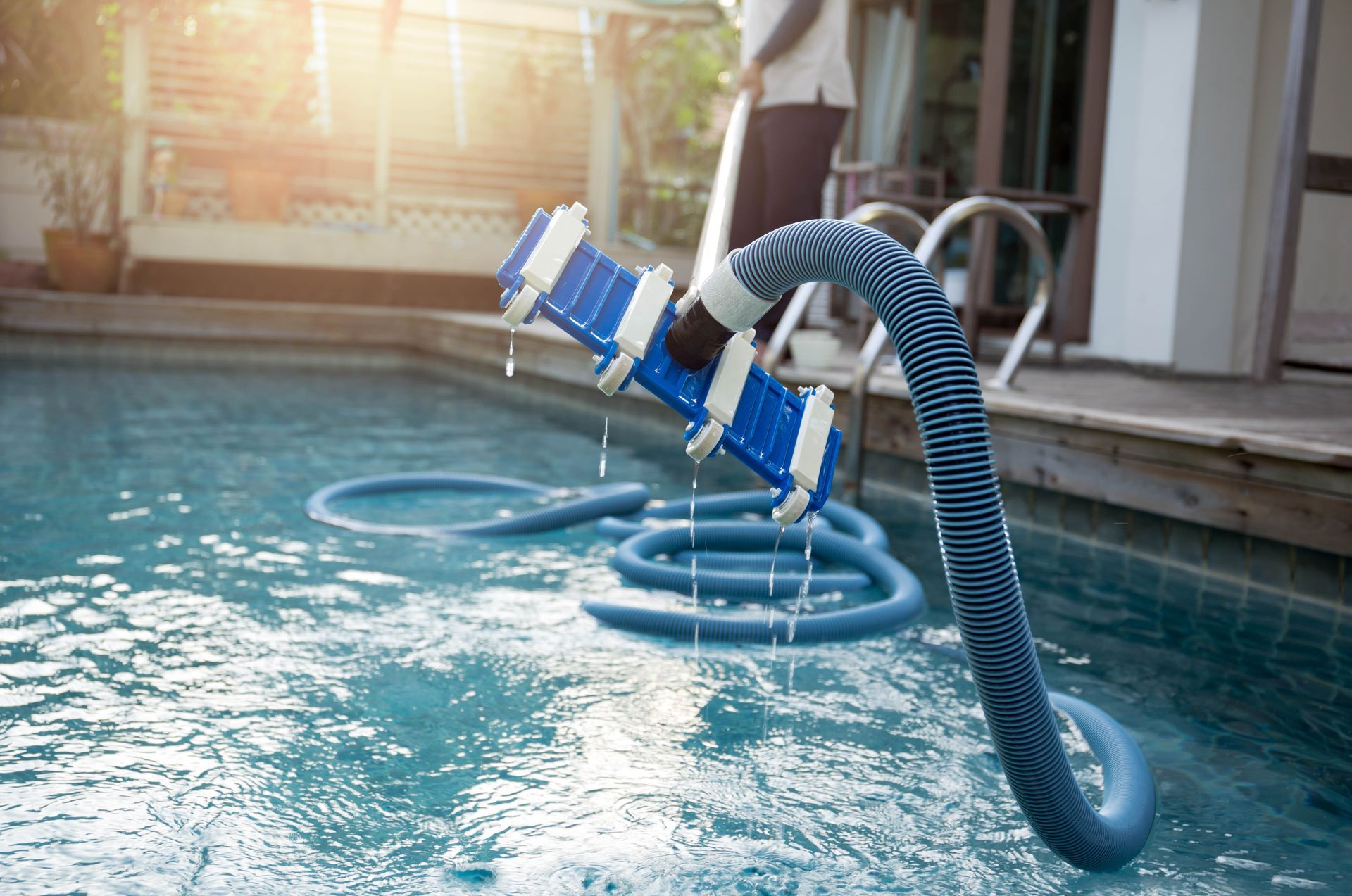
Pool surfaces can collect dirt, organic debris, oils, and other contaminants through regular use and exposure to the surrounding environment. Accumulation can affect the appearance of the pool and may contribute to water-quality challenges. Walls, floors, steps, and other surfaces require appropriate cleaning as part of a comprehensive maintenance routine. Professional cleaning helps keep these areas in better condition throughout the season.
The appropriate cleaning approach can depend on the pool's surface material and construction. Professionals can account for these differences when servicing the pool to avoid using unsuitable methods or products. Regular attention also helps identify unusual staining, discoloration, or surface changes that may require additional evaluation. Maintaining clean surfaces supports both appearance and overall pool care.
Managing Filtration System Performance
The filtration system removes particles and other unwanted material from circulating pool water. A filter that is dirty, damaged, or otherwise operating poorly may not provide the level of filtration the pool requires. Professionals can inspect filtration components and determine whether cleaning, servicing, or further attention is appropriate. This helps support consistent water clarity and circulation.
Pool maintenance includes monitoring the relationship between filtration and water chemistry. Even properly balanced water can become cloudy when filtration is inadequate. Conversely, filtration problems may become more difficult to identify when water chemistry is not being monitored consistently. A comprehensive approach considers both systems together to support reliable pool operation.
Removing Debris and Contaminants
Leaves, grass, insects, pollen, and other debris can enter a pool from the surrounding environment. Heavy debris can place additional demands on filtration equipment and affect the pool's appearance. Organic material can also contribute to changes in water chemistry as it breaks down. Consistent debris removal is therefore an important component of professional pool care.
Professionals can incorporate cleaning into a regular service schedule based on the property's surroundings and pool usage. Pools located near trees or exposed outdoor areas may accumulate debris more quickly than those in sheltered locations. Service frequency can be adjusted according to these conditions. Consistent cleaning helps maintain a more inviting pool environment while supporting other maintenance efforts.
Inspecting Pool Equipment
Pool equipment works together to circulate, filter, heat, and manage the water. Pumps, heaters, filters, automatic controls, and related components can experience wear through regular operation. Small changes in performance may indicate a developing issue even when the pool continues to function. Professional inspections can help identify these conditions before they create more noticeable problems.
Pool maintenance provides an opportunity to evaluate equipment alongside water and surface conditions. A technician can look for leaks, unusual sounds, visible wear, or other indications that equipment may require service. Addressing these observations promptly can help support reliable operation. Regular equipment attention also gives homeowners a better understanding of the condition of their pool system.
Protecting Pool Safety Features
A well-maintained pool should also have appropriate safety measures in place. Barriers, gates, alarms, covers, lighting, and other safety features can contribute to a safer environment around the water. These components need attention because outdoor exposure and repeated use can affect their condition. Safety should remain an important consideration alongside cleanliness and equipment care.
According to the CDC, having a barrier that completely surrounds a pool on all four sides can lower a young child's drowning risk by 83%. This highlights the importance of physical barriers as part of a broader approach to pool safety. Professionals can evaluate relevant pool-area features and identify conditions that may require attention. Maintaining safety equipment helps homeowners create a more secure environment for swimmers and visitors.
Monitoring Seasonal Pool Conditions
Pool care requirements can change throughout the year. Spring openings may involve cleaning, equipment inspections, and water balancing, while summer service often focuses on maintaining chemistry and cleanliness during periods of frequent use. Fall can bring increased debris and preparation for reduced activity. Seasonal changes can therefore influence the type and frequency of professional service a pool requires.
Pool maintenance should be adapted to current environmental and usage conditions rather than following an identical routine year-round. Temperature, weather, debris, and swimmer activity can all affect the pool's condition. Professional technicians can account for these variables when developing service schedules. Seasonal attention can help keep the pool prepared for changing demands.
Addressing Problems Before Escalation
Unusual water color, persistent cloudiness, equipment noise, leaks, recurring algae, and inconsistent circulation can all indicate developing concerns. Waiting until a pool becomes difficult to use can allow an underlying issue to become more extensive. Professional inspections provide an opportunity to investigate unusual conditions and determine what may be causing them. Early attention can help reduce unnecessary disruption to pool use.
At Big Splash Pool Service, we provide professional pool care focused on maintaining clean water, dependable equipment, and properly serviced pool systems. Our team can evaluate your pool's specific needs and provide ongoing service designed around its condition, usage, and seasonal demands. We focus on thorough maintenance so you can spend more time enjoying your outdoor space and less time dealing with unexpected pool concerns. Contact Big Splash Pool Service today to discuss your pool care needs and schedule professional service for your home.