October 27, 2026
A swimming pool requires consistent care to maintain clear water, balanced chemicals, and properly functioning equipment. While routine cleaning is essential, the first professional cleaning establishes a foundation for healthier water and easier maintenance throughout the swimming season. Scheduling a pool maintenance service early allows homeowners to address existing problems, assess equipment conditions, and establish an effective cleaning routine. This initial attention can make a significant difference in the pool's appearance, performance, and long-term condition.
Establishing a Baseline for Pool Cleanliness
The first professional cleaning provides an opportunity to evaluate the pool's overall condition. Even when the water appears clear, contaminants, debris, and chemical imbalances may be present beneath the surface. Identifying these concerns helps determine the cleaning tasks needed to restore and maintain proper water quality.
Professionals examine the water, pool surfaces, and equipment to identify areas requiring attention. This assessment helps technicians determine whether accumulated debris, surface deposits, or filtration problems need to be addressed during the initial appointment.
According to HomeGuide, an average first-time pool cleaning takes approximately two to three hours. However, the actual time can vary depending on the pool's size, water condition, maintenance history, and amount of accumulated debris.
A thorough initial cleaning creates a more consistent starting point for future maintenance. It also allows professionals to identify developing issues before they become more difficult to manage. For homeowners who have recently purchased a property or experienced inconsistent pool care, establishing this baseline is particularly valuable.
Improving Water Chemistry and Balance
Balanced water chemistry is essential for maintaining a clean and comfortable swimming environment. Improper chemical levels can contribute to cloudy water, algae growth, surface deterioration, and uncomfortable swimming conditions.
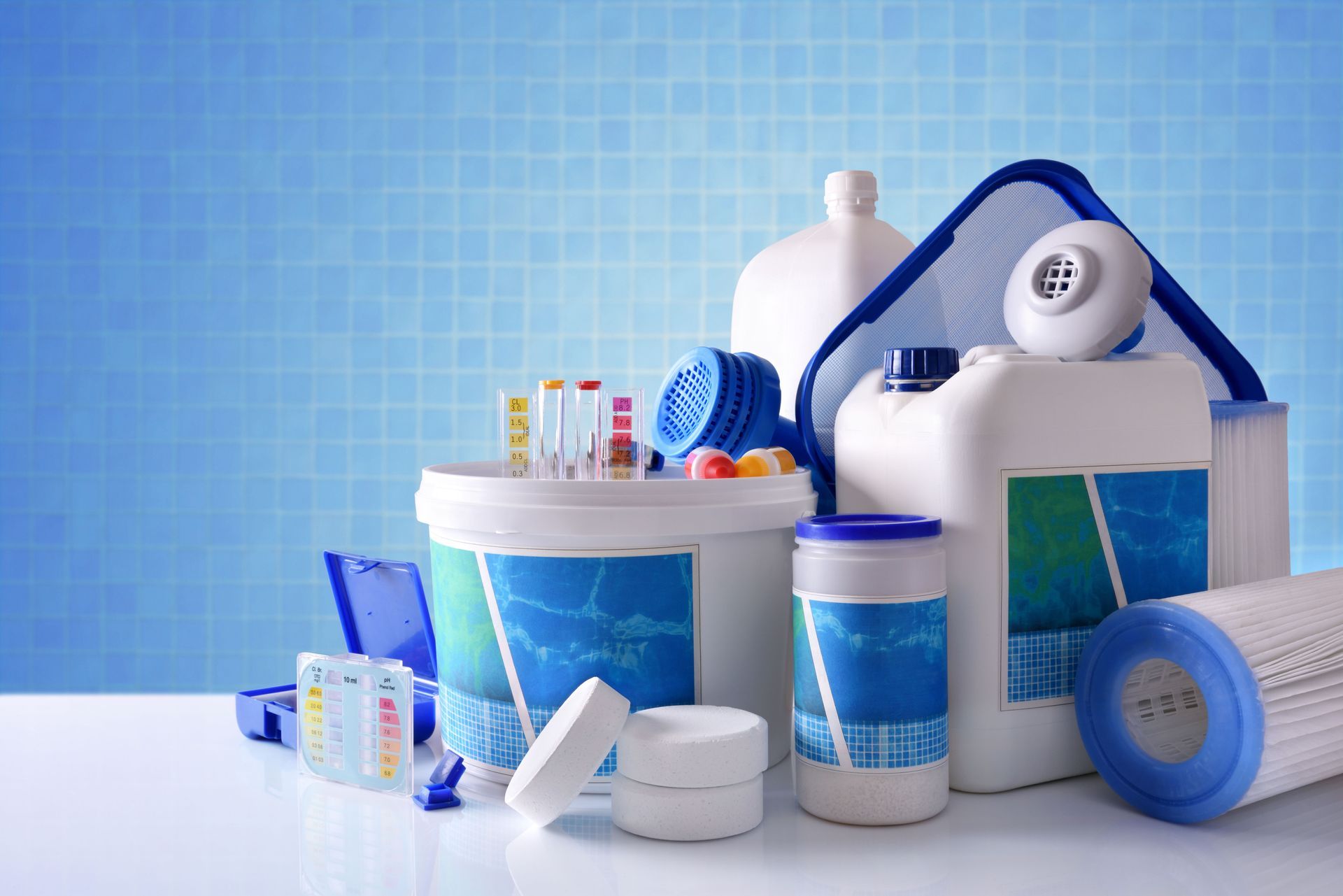
During an initial cleaning, professionals test the water to evaluate several important measurements. These tests help determine which adjustments are necessary to establish appropriate chemical levels.
Important water chemistry measurements include:
- pH levels: Indicate whether the water is too acidic or alkaline.
- Chlorine levels: Help determine whether sufficient sanitizer is available to control harmful microorganisms.
- Total alkalinity: Influences pH stability and helps prevent sudden chemical fluctuations.
- Calcium hardness: Affects the potential for mineral deposits and deterioration of certain pool surfaces.
These measurements provide valuable information about the pool's current condition. Professionals can then make appropriate chemical adjustments to support water clarity, sanitation, and equipment protection.
Supporting Filtration and Circulation Performance
Effective filtration and circulation are essential for maintaining consistent water quality. Pool pumps move water through the circulation system, while filters capture suspended particles and help prevent contaminants from accumulating.
Filter cleaning and maintenance help prevent excessive debris accumulation from restricting water flow. Proper circulation also supports more even sanitizer distribution throughout the pool, reducing areas where water movement may be inadequate.
Poor circulation can contribute to cloudy water and persistent debris accumulation. When water does not move effectively through the filtration system, contaminants may remain suspended or settle in areas that are difficult to clean.
Preventing Algae Growth and Recurring Water Problems
Algae growth is a common concern for swimming pool owners, particularly when water chemistry becomes unbalanced or circulation is inadequate. Warm temperatures, organic debris, and inconsistent sanitizer levels can create conditions that encourage algae development.
A professional first cleaning helps reduce these contributing factors. Removing accumulated debris, brushing pool surfaces, and balancing water chemistry can improve the pool's condition while making future algae prevention more manageable.
Several conditions may contribute to recurring algae problems:
- Inadequate chlorine or other sanitizer levels
- Poor circulation or insufficient filtration
- Excessive leaves and organic debris
- Infrequent brushing and vacuuming
- Unbalanced water chemistry
Recognizing these conditions during the initial appointment allows professionals to address potential concerns before they become recurring problems. It also provides useful information for developing an ongoing maintenance schedule suited to the pool's needs.
Protecting Pool Surfaces and Equipment
Swimming pools contain surfaces and mechanical components that require consistent maintenance. Prolonged exposure to unbalanced water chemistry, mineral deposits, and accumulated debris may contribute to premature deterioration.
For example, improper pH levels can encourage corrosion or scaling, depending on the water's overall chemical balance. Mineral deposits may also collect on tiles, fittings, and other surfaces when calcium levels are not properly managed.
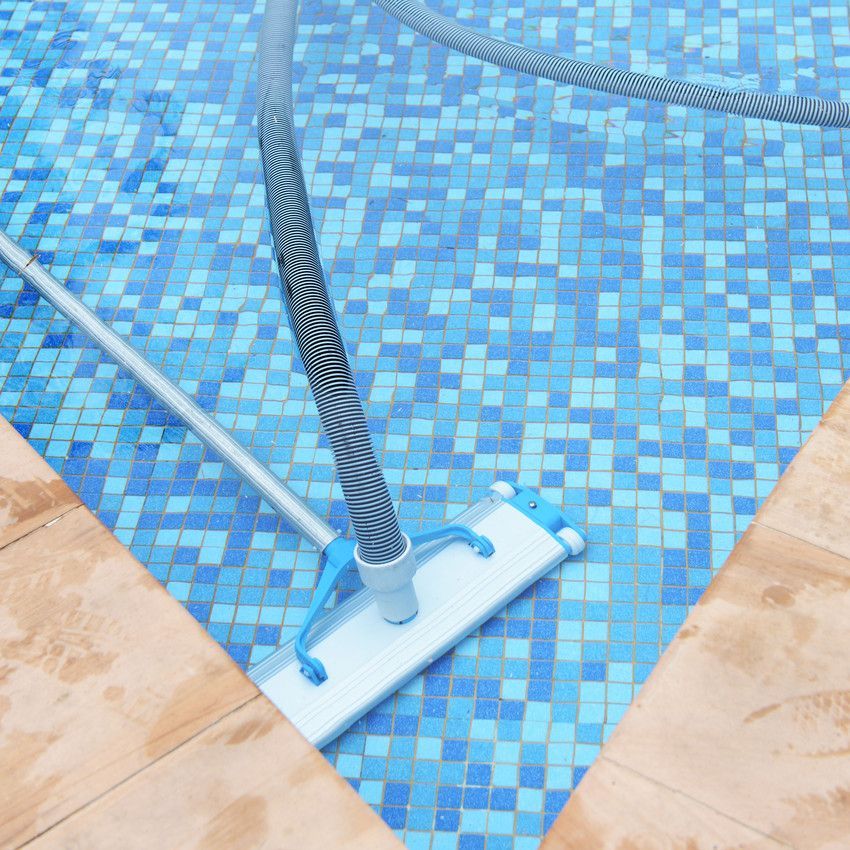
A professional first cleaning helps identify existing buildup and establishes conditions that reduce additional deposits. Brushing and vacuuming also remove dirt that might otherwise remain in contact with pool surfaces for extended periods.
Equipment benefits from the same preventive approach. Dirty filters can restrict water flow, while debris-filled baskets may interfere with circulation and increase the demands placed on pool equipment.
Investing in a pool maintenance service supports the condition of visible pool surfaces and essential operating components. Regular cleaning and equipment checks help homeowners identify maintenance concerns before they lead to more complicated problems.
Establishing a Consistent Cleaning Schedule
An important benefit of the first professional cleaning is the opportunity to establish a practical maintenance schedule. Every swimming pool has different requirements depending on its size, location, surrounding landscape, and frequency of use.
Pools surrounded by trees may collect significant amounts of leaves and organic debris. Pools that receive frequent use may also require closer monitoring of sanitizer levels, filtration performance, and overall water clarity.
Professional cleaning providers can evaluate these conditions and recommend an appropriate maintenance schedule. Consistent appointments help prevent debris and chemical imbalances from becoming more difficult to manage.
Regular pool care generally involves several recurring tasks, including water testing, chemical balancing, skimming, brushing, vacuuming, and filter maintenance. The frequency of these activities may change throughout the season as environmental conditions and swimming habits change.
A reliable pool maintenance service provides structured care that supports more predictable water quality and equipment performance. Establishing this routine early reduces the likelihood that homeowners will need to rely on extensive corrective cleaning after problems develop.
Maintaining Long-Term Water Quality and Enjoyment
The benefits of an initial cleaning become more apparent when professional care continues throughout the swimming season. Regular appointments help maintain the improvements established during the first visit while addressing new debris, chemical changes, and equipment concerns.
Consistent maintenance also allows technicians to observe changes in the pool's condition over time. Recurring cloudy water, unusual chemical fluctuations, or reduced circulation may indicate developing issues that require additional attention.
For homeowners, this continuity makes pool ownership more convenient and predictable. Rather than repeatedly responding to visible problems, they can rely on a structured cleaning schedule designed around the pool's condition and usage patterns.
Professional maintenance also supports a more enjoyable swimming experience. Clean surfaces, properly balanced water, and effective filtration contribute to an inviting environment for family members and guests.
With ongoing pool maintenance service, homeowners can focus more on enjoying their swimming pool and less on managing unexpected cleaning problems. Consistent professional care helps preserve the benefits of the initial cleaning throughout the season.
Building a Healthier Pool for the Future
A professional first cleaning does more than improve a swimming pool's immediate appearance. It establishes a foundation for balanced water chemistry, effective filtration, cleaner surfaces, and consistent equipment monitoring. Addressing existing concerns early helps simplify future upkeep while reducing the likelihood of recurring water-quality problems.
Long-term pool health depends on maintaining these improvements through scheduled cleaning, regular testing, and timely equipment attention. Homeowners who begin with a thorough professional cleaning can make more informed decisions about ongoing care while protecting their investment.
For dependable pool maintenance service in Bucks and Montgomery Counties, PA, contact Big Splash Pool Service today to schedule professional cleaning and establish a long-term care routine for a cleaner, healthier swimming pool.