August 26, 2026
A backyard swimming pool serves as a private oasis for summer relaxation, family recreation, and refreshing exercise throughout warm weather months. However, maintaining pristine water clarity and smooth mechanical performance requires continuous vigilance, proper chemical balancing, and timely mechanical maintenance. Over time, continuous exposure to harsh solar radiation, shifting surrounding soil, chemical treatments, and heavy seasonal usage can cause equipment wear, structural surface cracks, plumbing leaks, or filtration failures. Ignoring minor equipment hiccups often leads to major mechanical breakdowns, expensive component replacements, or unhealthy water conditions that force unexpected closures. Knowing how to identify early warning signs and execute foundational troubleshooting helps property owners protect their significant backyard investment while keeping swimming environments safe, clean, and fully operational. Establishing a proactive maintenance mindset ensures that small plumbing leaks, minor pump issues, or minor surface flaws receive quick attention before causing extensive structural damage. Partnering with a trusted pool repair professional guarantees that complex electrical work, major mechanical overhauls, and specialized structural repairs are handled with expert precision, allowing families to enjoy stress-free aquatic recreation all season long.
Identifying Underground Leaks
Detecting hidden plumbing leaks early prevents catastrophic water loss, severe ground erosion beneath concrete decks, and expensive structural shifts around your pool basin. A gradual drop in water level beyond normal evaporation from hot sunlight and heavy splashing often signals a compromised return line, a cracked main drain, or a leaking skimmer housing. Property owners can perform simple bucket evaporation tests to confirm whether water loss stems from natural environmental factors or an actual plumbing breach. Watching for localized soggy spots in surrounding grass, cracked decking pavers, or unusually high chemical consumption helps narrow down the general location of hidden leaks. Timely pool repair addresses small pipe cracks or degraded gasket seals before underground water pressure washes away supporting soil bases beneath heavy concrete structures. Professional technicians utilize advanced acoustic listening devices and pressure testing equipment to pinpoint underground line breaks with pinpoint accuracy, minimizing deck demolition during necessary pipe restorations.
Fixing Pump Malfunctions
Maintaining optimal water circulation relies entirely on a healthy, smooth-running pump assembly to pull water through skimmers and push it through filtration media. When a circulation pump emits loud grinding noises, hums without turning, or fails to prime entirely, water movement stalls, quickly turning crystal-clear swimming areas into cloudy, green algae breeding grounds. Noisy operation often indicates worn internal bearings, while a pump that turns off unexpectedly may suffer from thermal overheating caused by clogged skimmer baskets or suction line blockages. Clearing trapped leaves from the pump strainer basket, inspecting the rubber lid seal for air leaks, and verifying proper electrical voltage resolve many common priming issues. When internal impellers become clogged or electrical motor windings fail, scheduling professional pool repair restores proper suction force and continuous filtration, preventing stagnant water conditions and chemical imbalances across the entire basin.
Sealing Surface Cracks
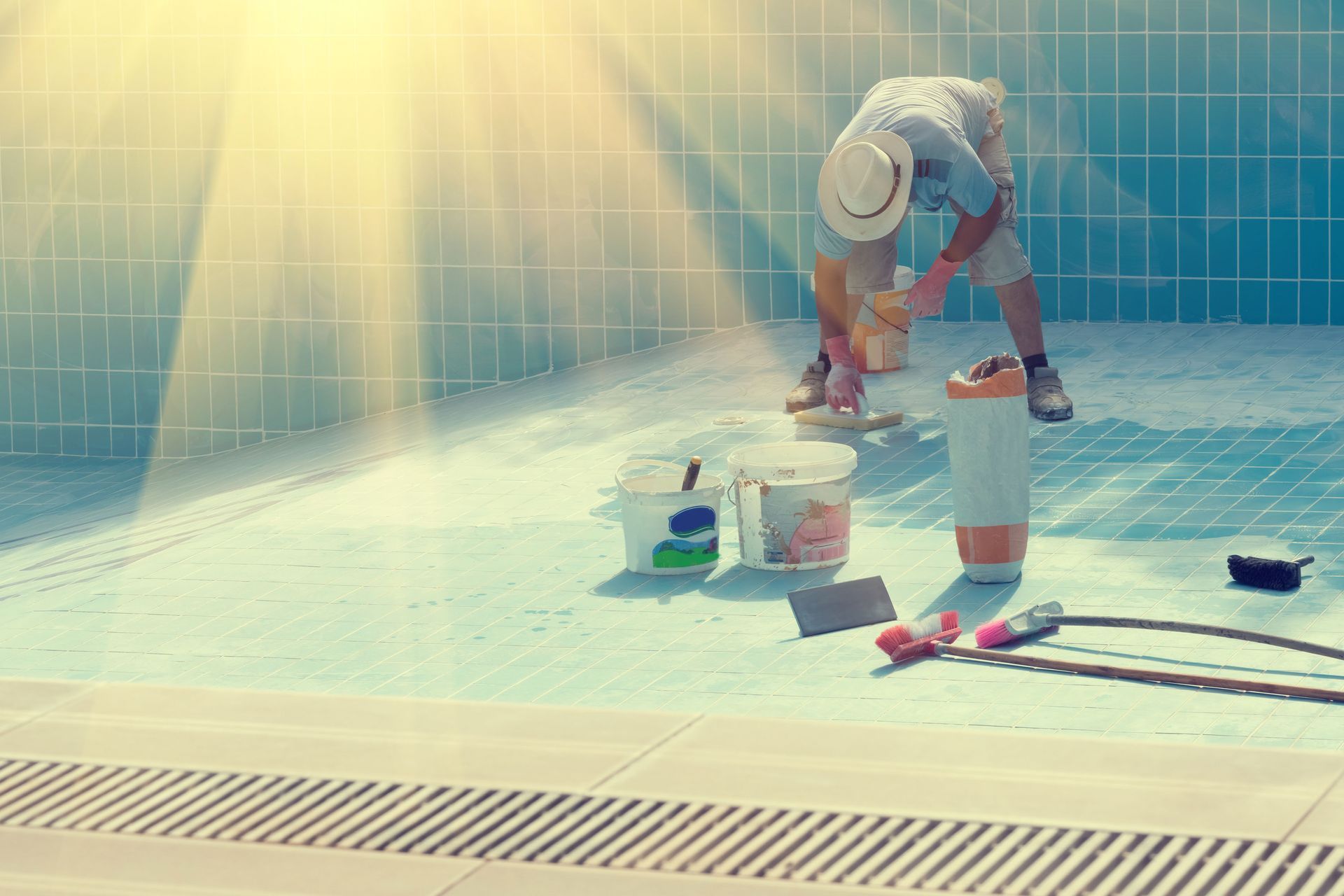
Addressing minor surface cracks, hollow spots, or deteriorating plaster finish preserves the watertight integrity of concrete, gunite, and fiberglass pool shells. Constant water pressure, ground movement, and chemical exposure can cause plaster coats to flake, pop off, or form fine spiderweb cracks across submerged walls and floors. Unsealed cracks allow water to seep behind plaster layers, rusting underlying steel reinforcement bars and causing expansive spalling damage across structural walls. Minor underwater cracks can be temporarily sealed using specialized epoxy putty or underwater hydraulic cement without draining the pool completely. However, extensive surface cracking or delaminating plaster requires professional surface grinding, structural staple installation, and complete resurfacing to restore long-term structural strength. Timely surface repairs prevent minor cosmetic flaws from expanding into major structural failures that compromise the entire basin structure.
Servicing Filtration Systems
Keeping filtration equipment clean and mechanically sound ensures that fine debris, organic matter, and suspended particles are removed efficiently from circulating water. Whether your system utilizes sand, cartridge, or diatomaceous earth filtration elements, dirty or damaged filter media severely restricts water flow, placing immense backpressure on pump motors. Backwashing sand filters, rinsing cartridge pleats with a garden hose, or replacing worn diatomaceous earth grids restores optimal flow rates and crystal-clear water clarity. Inspecting filter tanks for cracked multi-port valves, leaking clamp bands, or internal air bleed failures prevents dangerous pressure buildups inside the filter tank. According to the CDC, approximately 15.4% of U.S. adults do not know how to swim. This notable statistic underscores why maintaining pristine water clarity and proper equipment operation remains crucial, as clear water allows supervisors to observe swimming areas without visual distortion or hazardous obstruction.
Repairing Automated Cleaners
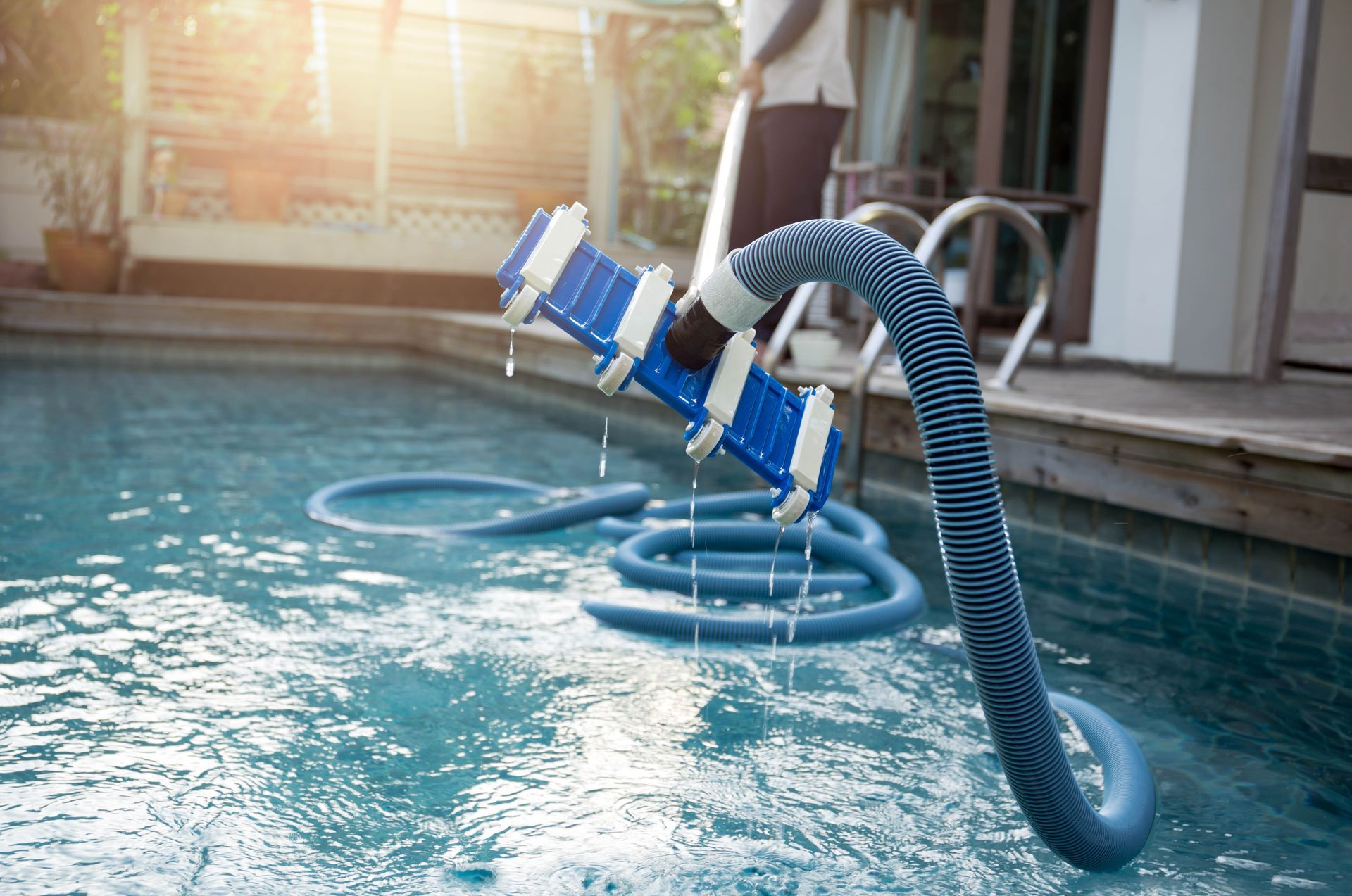
Troubleshooting automated suction, pressure, or robotic pool cleaners keeps daily maintenance effortless by removing settled debris, leaves, and sand from bottom surfaces automatically. When a robotic or suction cleaner stops moving, moves sluggishly, or flips over onto its side, the issue usually stems from clogged drive tracks, worn drive belts, or full filter bags restricting intake suction. Inspecting drive gears, clearing tangled swivel hoses, and replacing worn rubber scrub brushes or tracks usually restores proper navigation across pool floors and vertical walls. Verifying that dedicated booster pumps provide adequate water pressure ensures that pressure-side sweepers climb walls and collect heavy debris efficiently. Maintaining your automated cleaning equipment prevents heavy organic buildup on bottom plaster surfaces, reducing the need for manual brushing and lowering overall chemical consumption throughout the summer.
Upgrading Electrical Controls
Evaluating automated timers, salt chlorine generators, underwater illumination fixtures, and digital control panels ensures safe electrical operation and effortless system management. Electrical components operating near water demand absolute precision, functional ground-fault circuit interrupters, and intact waterproof seals to eliminate dangerous electrical shock hazards. When automated timers fail to activate circulation schedules, digital salt cells stop generating chlorine, or underwater LED lights flicker, faulty wiring connections or blown circuit boards are often the primary cause. Attempting DIY repairs on high-voltage pool equipment carries severe safety risks and should be left exclusively to certified technicians. Professional pool repair addresses failing control boards, replaces worn salt cell plates, and installs modern automation systems that allow homeowners to manage filtration cycles, heating preferences, and lighting features directly from smart mobile devices.
Sustaining a clean, safe, and beautiful swimming environment demands consistent attention to mechanical components, surface conditions, and filtration performance throughout the year. By learning to recognize early signs of plumbing leaks, pump strain, surface cracks, and filtration restriction, homeowners can address minor maintenance needs before they escalate into costly structural overhauls. Regular preventative checks not only save time and money but also ensure that your outdoor sanctuary remains inviting, hygienic, and ready for spontaneous family fun at a moment's notice. Investing time in routine equipment care protects structural sub-layers, prevents unwanted algae outbreaks, and optimizes energy efficiency during peak swimming months. Furthermore, maintaining balanced water chemistry and clear filtration pathways preserves delicate equipment internal linings, preventing corrosion and scale accumulation across expensive heating units and automated salt generators. Proactive oversight transforms potential mechanical emergencies into simple, predictable upkeep, extending the total operational lifespan of your entire backyard setup.
Prompt attention to mechanical hiccups prolongs the operational lifespan of expensive equipment, lowers seasonal chemical expenses, and protects your home property value. Partnering with skilled technicians guarantees that every pump, filter, heater, and sanitary system operates at peak capacity, giving you absolute peace of mind. At Big Splash Pool Service, we are dedicated to providing top-tier maintenance, expert equipment diagnostics, and comprehensive repair solutions tailored to keep your backyard oasis running smoothly, safely, and flawlessly all season long. Contact us today to learn more.