
Planning a saltwater swim season? A professional pool opening balances salinity levels for soothing, effortless swimming.
Owning a swimming pool brings opportunities for relaxation, exercise, and quality time with family and friends. However, keeping a pool clean, functional, and ready for swimming requires consistent attention throughout the year. Without a reliable maintenance schedule, minor problems can develop into expensive repairs, water quality issues, and unnecessary interruptions. At Big Splash Pool Service, we understand the importance of professional pool care and seasonal preparation. From routine cleaning to scheduling a pool closing service, having a dependable maintenance plan helps protect your investment and keeps your swimming pool in excellent condition. Maintaining Consistent Pool Conditions Preventing Water Quality Problems Regular pool maintenance plays an important role in maintaining clear, properly balanced water. Leaves, dirt, bacteria, and other contaminants can accumulate when cleaning appointments are inconsistent. Over time, these conditions may contribute to algae growth, cloudy water, and unpleasant swimming experiences. Professional pool technicians monitor water chemistry, inspect filtration systems, and address developing concerns before they become more complicated. Scheduled appointments provide an opportunity to identify changes in water quality and recommend appropriate treatments. Consistent maintenance also reduces the likelihood of unexpected problems during periods of heavy swimming activity. With professional oversight, pool owners can enjoy their outdoor spaces without worrying about every aspect of water care. Protecting Essential Pool Equipment Swimming pools rely on several mechanical components working together. Pumps circulate water, filters remove debris, and heaters help maintain comfortable temperatures. When these systems experience excessive wear or operate inefficiently, repair expenses can accumulate. Our team at Big Splash Pool Service emphasizes preventative maintenance to help identify potential equipment problems early. Professional inspections can reveal unusual noises, reduced circulation, leaks, and other warning signs. Scheduling maintenance throughout the swimming season, followed by a professional pool closing service, helps protect important components from seasonal damage and unnecessary deterioration. Improving Swimming Pool Safety Supporting Healthier Swimming Environments Water quality is only one part of maintaining a safer swimming environment. Pool owners must also consider accessibility, supervision, equipment condition, and the swimming abilities of everyone using the pool. According to the Centers for Disease Control and Prevention (CDC), approximately 15.4% of U.S. adults do not know how to swim. This statistic highlights the importance of water safety awareness, particularly in households where swimmers have different experience levels. Professional pool maintenance supports water clarity and proper equipment operation, making it easier for swimmers and supervisors to recognize potential hazards. However, maintenance cannot replace active supervision, appropriate barriers, or swimming instruction. Families should consider these precautions alongside professional pool care to create a more enjoyable swimming environment. Preparing for Seasonal Safety Concerns Changing weather conditions introduce additional considerations for swimming pool ownership. Heavy rainfall, falling leaves, temperature fluctuations, and freezing conditions can affect water chemistry and equipment performance. Professional seasonal preparation helps address these concerns before conditions become more challenging. A scheduled pool closing service allows trained technicians to evaluate the pool, prepare appropriate equipment, and complete necessary closing procedures. This approach is particularly important in regions where winter temperatures can damage plumbing and other vulnerable components. Proper seasonal preparation helps reduce preventable damage while supporting a smoother reopening experience. Planning Effective Pool Maintenance Schedules Scheduling Routine Professional Visits Every swimming pool has different maintenance requirements. Pool size, surrounding vegetation, equipment configuration, weather conditions, and frequency of use can all influence the appropriate service schedule. Some pools benefit from weekly professional attention, especially during periods of frequent use. Others may require different service intervals depending on their operating conditions. At Big Splash Pool Service, we encourage pool owners to establish maintenance schedules that reflect their individual needs. Regular appointments help technicians monitor developing concerns and maintain more consistent pool conditions. Rather than waiting until water becomes cloudy or equipment stops functioning, professional maintenance provides ongoing support that can help prevent avoidable disruptions. Scheduling Seasonal Pool Preparation Seasonal transitions deserve special attention when planning pool maintenance. As swimming activity decreases, equipment settings, cleaning requirements, and water treatment needs may change. Booking a pool closing service before colder weather arrives gives homeowners an opportunity to prepare their pools appropriately. Professional technicians can assess seasonal conditions and determine which closing procedures are necessary for the specific pool. Scheduling ahead also helps homeowners avoid the inconvenience of arranging last-minute appointments during busy seasonal periods. A well-organized maintenance calendar should account for routine service, equipment inspections, seasonal closing, and eventual reopening. Protecting Long-Term Pool Investments Reducing Unexpected Repair Expenses Swimming pools represent significant investments, and maintaining their condition requires more than occasional cleaning. Neglected equipment, improper water chemistry, and delayed repairs can contribute to expensive complications. Routine professional inspections help identify smaller issues before they affect additional components. For example, circulation problems may place unnecessary strain on equipment, while persistent chemical imbalances can damage certain pool surfaces and fittings. Preventative care cannot eliminate every repair, but it can reduce the likelihood of problems developing unnoticed. Investing in regular maintenance and a dependable pool closing service helps homeowners take a proactive approach to protecting their pools. Extending Equipment Performance Pool pumps, filtration systems, heaters, and related components perform best when maintained according to their operating requirements. Accumulated debris, restricted water flow, and worn parts can interfere with efficiency. Professional technicians understand how these systems interact and can recognize conditions that require attention. Scheduled servicing also creates opportunities to evaluate equipment performance and recommend repairs when necessary. Seasonal preparation is equally important. A professional pool closing service helps address winter-related risks that could otherwise affect equipment reliability. By combining regular inspections with appropriate seasonal care, homeowners can support the long-term performance of their swimming pool systems. Enhancing the Pool Ownership Experience Creating More Time for Enjoyment A swimming pool should provide opportunities for recreation rather than becoming a constant source of maintenance concerns. Unfortunately, cleaning requirements, equipment problems, and unpredictable water conditions can make ownership stressful. Professional maintenance reduces the amount of time homeowners spend managing technical pool care. Instead of coordinating multiple cleaning and repair tasks themselves, they can rely on experienced technicians to handle essential services. At Big Splash Pool Service, we believe dependable maintenance should make pool ownership more convenient. Our goal is to help customers spend less time worrying about their pools and more time enjoying them. Consistent scheduling also makes seasonal transitions easier to anticipate. Maintaining a More Attractive Pool Area A clean, well-maintained swimming pool contributes to the overall appearance of an outdoor living space. Clear water, functioning equipment, and properly maintained surfaces create a more welcoming environment for family gatherings and relaxation. When maintenance is inconsistent, debris accumulation, staining, and water discoloration can quickly affect the pool's appearance. Professional cleaning helps preserve visual appeal while supporting equipment functionality. Scheduling a pool closing service also helps prepare the pool for periods when regular swimming activity is suspended. Together, these services support a more attractive and manageable outdoor environment throughout the year. Choosing Professional Pool Maintenance Services Working With Experienced Pool Professionals Choosing a dependable pool maintenance provider is an important decision for homeowners. Experienced technicians can evaluate pool conditions, identify potential concerns, and recommend services based on equipment requirements and seasonal changes. Professional assistance is particularly valuable when pools require specialized treatment or preparation for colder temperatures. At Big Splash Pool Service, we focus on helping customers maintain their swimming pools through reliable, attentive service. We understand that every pool has unique requirements and that consistent communication is essential to effective maintenance. Our approach emphasizes preventative care, practical scheduling, and professional attention to important pool systems. Preparing for Year-Round Pool Care Successful pool ownership involves planning beyond the busiest swimming months. Regular maintenance, equipment evaluations, and seasonal preparation all contribute to keeping a pool in dependable condition. Homeowners should consider scheduling professional services before problems arise, especially when transitioning between swimming seasons. A timely pool closing service can help protect equipment, reduce seasonal maintenance concerns, and prepare the pool for its next opening. At Big Splash Pool Service, we're committed to helping homeowners protect their investments and enjoy their swimming pools with greater confidence. Contact our team to discuss your maintenance needs and schedule professional pool care that supports your pool throughout the year.
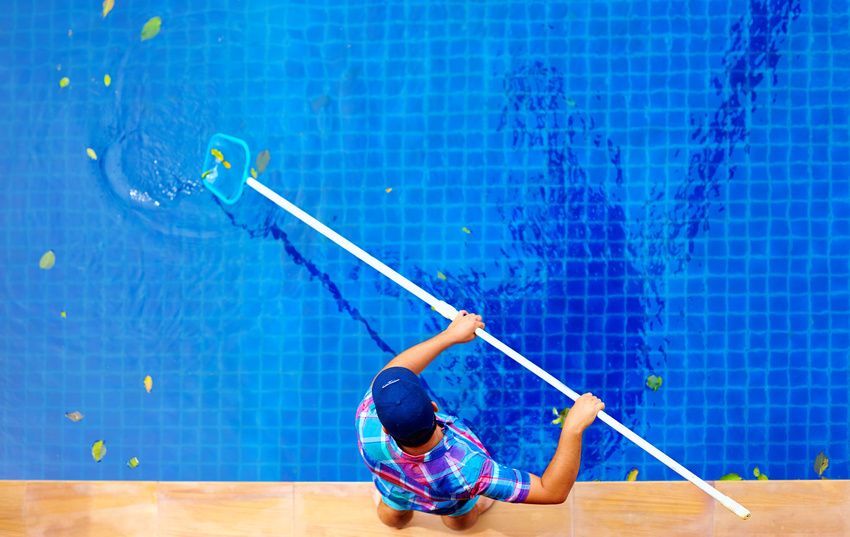
Discover common pool issues like cloudy water and algae, and learn how routine pool cleaning prevents costly equipment damage and keeps your water clear.